

LA RUTA DEL SPONDYLUS GUIDE:
Van Life, Skate Bowls, and Ancient Gods in Ecuador

The Ruta del Spondylus begins exactly where the legendary Pacific Oasis Club sits in Ballenita, Ecuador.
This stretch of tarmac hugs the Pacific edge like a nervous real estate developer eyeing a pristine beachfront concession. To the uninitiated, it looks like a standard coastal highway. To the modern digital nomad and overlander, it is a spiritual gauntlet. Named after a spiny oyster that pre-Columbian Spondylus cults valued more than gold, this route is a hypnotic mix of high-salinity air, concrete transitions, epic surf breaks, and the crushing reality of living out of a modified 1996 Mitsubishi Delica.

The Paleolithic Currency: Shamanism, Blood, and Spondylus Shells
Long before European colonizers arrived to establish tax havens and luxury resorts, the Valdivia and Manteño-Huancavilca cultures ruled this Ecuador surf coast with a deeply spiritual, highly profitable ecosystem.
The epicenter of their universe was the Spondylus princeps—a spiny, blood-red oyster harvested by elite free-divers who risked nitrogen narcosis and shark attacks to pull them from the depths.
To these ancient civilizations, the shell was not food; it was a literal deity. It was a catalyst for rain, a symbol of fertility, and a currency so powerful that shamans used it to bridge the gap between the mortal world and the gods. They ground it into sacred powder, wore it as armor, and buried their kings in it.
When you go on an Ecuador coast road trip, you are driving over thousands of years of sacrificial trade routes. It is an ancient energy that makes your corporate job and your mortgage back home look like a temporary mental illness.
The Climate: Micro-Zones and Atmospheric Schizophrenia
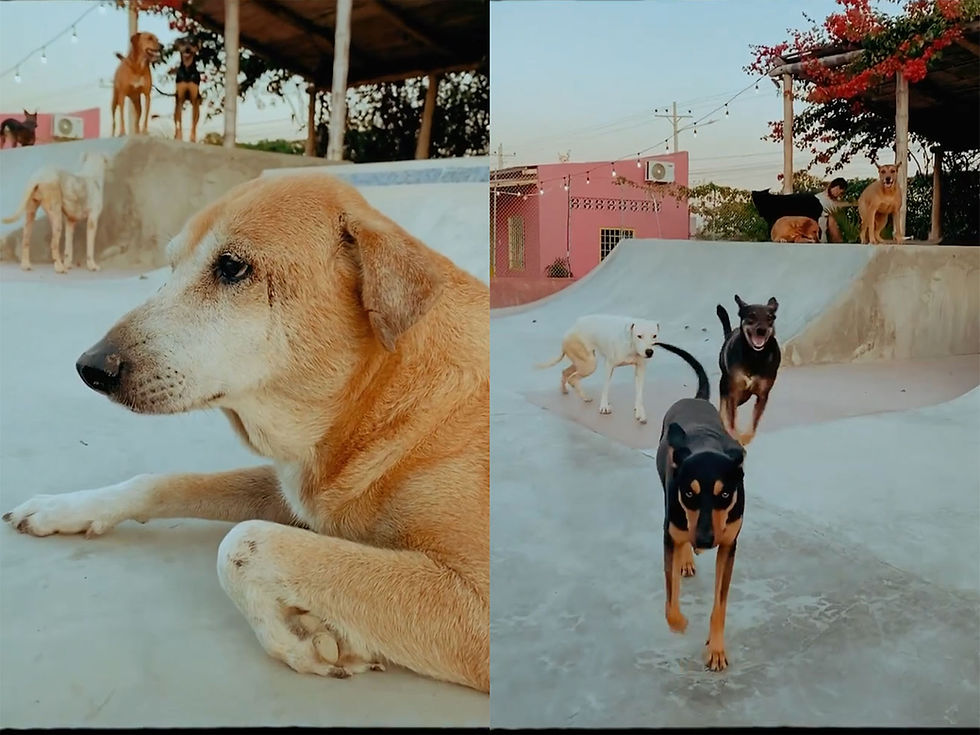
The climate along this coast is a masterclass in meteorology gone completely off the rails. You begin your journey navigating the dry, desert-like scrublands of the Santa Elena peninsula. Here, the sun beats down with a primal, unrelenting equatorial authority, baking the soil into a cracked, pale crust. It looks like the backdrop of an apocalyptic western, only with more stray dogs and billboards promising luxury ocean-view condos that may or may not ever exist.
Drive north for just one hour, and the coastal topography morphs so violently it feels like a glitch in the simulation. Thanks to the cold Humboldt and warm El Niño currents staging an annual cage match right off the continental shelf, you suddenly plunge into dense, low-lying tropical fog, towering bamboo stands, and lush cloud forests near Ayampe. The air transforms from bone-dry salt dust to a heavy, humid, misty wonderland that smells like crushed wet leaves and damp earth. It is a sensory shock that leaves travelers wondering how a single coastline can change its personality faster than a tech mogul on a spiritual retreat.

Ecuador Van Life: The Romance vs. The Reality
For the international nomad traveling down the Pan-American Highway, backpacking Ecuador's coast is a bucket-list ritual. But let's be honest about what Ecuador van life actually is. It is an exercise in manic-depressive logistics. It is spending $40,000 on a solar-powered Sprinter van just to find yourself frying an egg over a propane stove on the shoulder of a highway, wondering if that noise outside is a local bandit or just a highly aggressive goat.
The salt air along this route eats steel for breakfast. Within three days, your alternator is crying, your Wi-Fi hotspot is dead, and your partner is threatening to fly back to Austin because they haven’t showered since Peru.
That is why the Pacific Oasis Club in Ballenita is not just a landmark—it is a sanctuary. It is the ultimate geographic checkpoint where overlanders pull over to escape the madness of the road. It offers a secure, high-vibe basecamp where you can park your rig, stretch your legs in a world-class skate bowl, and remember what civilization feels like before the highway swallows you whole.

Best Food on Ecuador's Coast: The Holy Grail of Seafood
Gastronomy here is not a hobby; it is an aggressive coastal religion based entirely on whatever was swimming in the Pacific Ocean four minutes ago.
The local ceviche mixto—swimming in pure lime juice, sharp red onions, and fresh cilantro—is practically a civil right. If you want something heavier to fuel a session, grab a corviche. It is a deep-fried cylinder of green plantain dough packed tightly with rich peanut paste and fresh fish chunks.
But the undisputed heavyweight champion of traditional Ecuadorian food is the Cazuela Manabita. Seafood baked inside a heavy clay pot with a rich, bubbling peanut broth until it forms a thick, savory crust. It completely defies the equatorial heat and forces your body into an immediate, non-negotiable three-hour afternoon nap.

The Epilogue: A Retail Mystery
As you stand at the starting line at the Pacific Oasis Club in Ballenita, watching the local skaters fly out of the deep end, a strange rumor echoes through the salty sea breeze. Somewhere nearby—tucked away among the high-end apparel, vintage skate gear, and coastal relics—lies the elusive Pacific Oasis Tropical Shop.
Like the ancient Valdivia shamans tracking the red oysters, modern travelers whisper about this place as if it were a myth. Is it hidden right inside the club’s grounds beneath the shifting palm shadows, or does it exist as a mirage further up the highway, waiting for the truly worthy to discover its high-grade tropical gear? It is a retail enigma. To find out, you will have to step out of your van, pack your board, and start driving.



Comments